
Where Moonflowers Bloom
A new standalone cozy fantasy about a rootless storyteller and a prickly botanist whose enchanted greenhouse may hold the yet to saving Chicago’s magic.
Sadie has spent her entire life in motion. As a wandering storyteller, she travels from one city to the next guided by magic, using her unique gift to quietly awaken wonder in the people she meets. She never stays anywhere long enough to truly know a place, or to let a place know her. But after a night spent in Chicago—a city of rattling streetcars and hidden corners—her magic suddenly and inexplicably vanishes.
Tom is a meticulous and particular botanist who largely prefers the company of flora to that of people. He has dedicated his entire life to a secret rooftop greenhouse overflowing with enchanted plants. For Tom, careful tending feels far safer than human connection, but his work has led him to a troubling theory. He believes the magic threaded beneath the city is failing, and it is only a matter of time before it disappears completely. His sharp edges mean his warnings go ignored, leaving him to shoulder the heavy responsibility of saving the city’s enchantment alone.
When Sadie’s search for her lost gift leads her to Tom’s glowing greenhouse, her life in motion collides with his structured, rooted world. Reluctant at first, the two realize they must work together to restore the fading magic of the city. As they navigate forgotten alleys and vibrant gardens, they uncover an unexpected and powerful connection. Working side by side, they must face their deepest fears. Can Sadie finally learn what it means to put down roots, and can Tom open his heart enough to allow something beautiful and new to grow?
Out January 26th 2027. Pre-orders available now wherever books are sold!
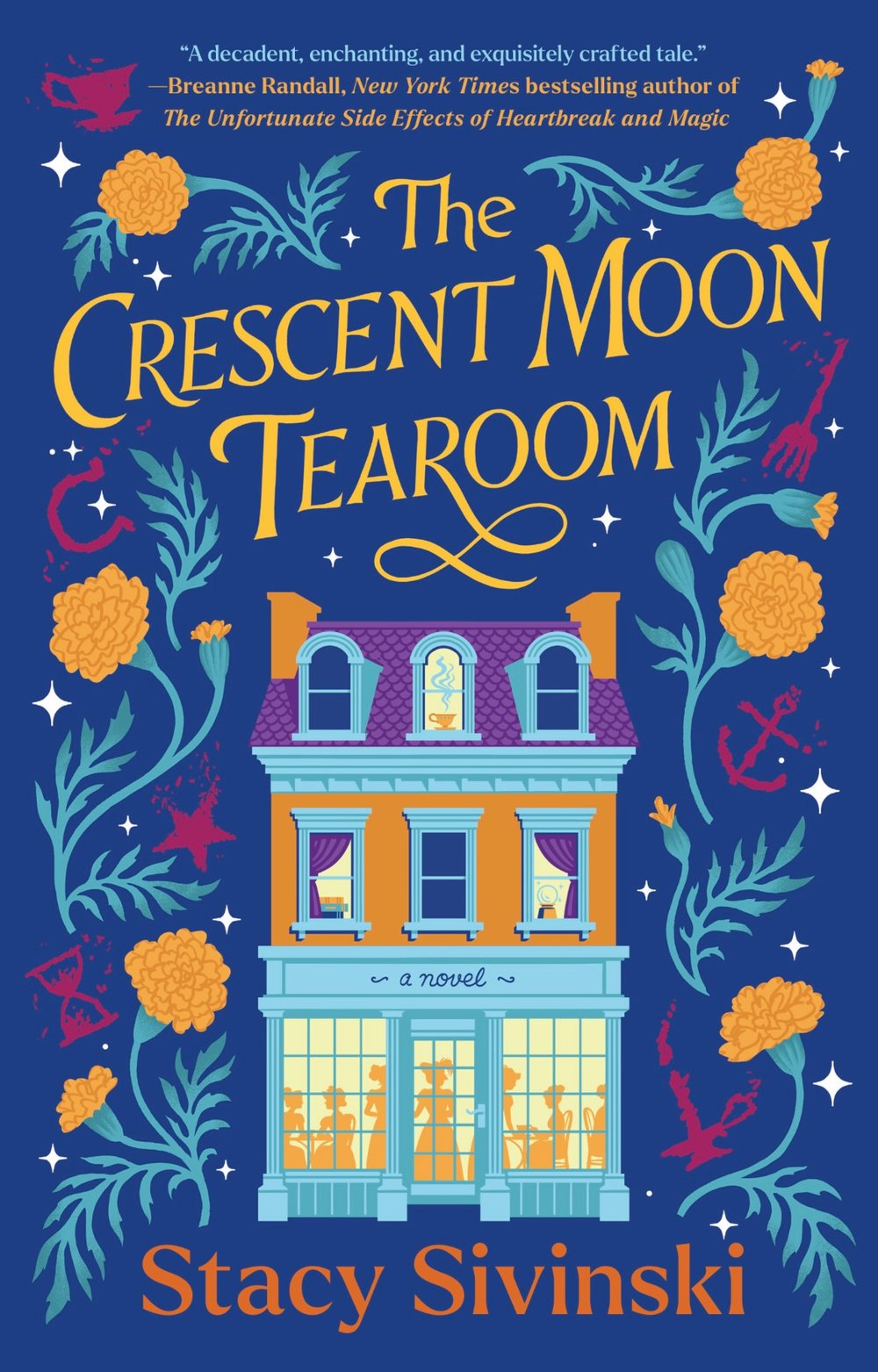
The Crescent Moon Tearoom
NATIONAL BESTSELLER
Ever since the untimely death of their parents, Anne, Beatrix, and Violet Quigley have made a business of threading together the stories that rest in the swirls of ginger, cloves, and cardamon of their customers’ cups. Their days at the teashop are filled with talk of butterflies and good fortune intertwined with the sound of cinnamon shortbread being snapped by laced fingers.
That is, until the Council of Witches comes calling with news that the city Diviner has lost her powers, and the sisters suddenly find themselves pulled in different directions. With dwindling time to rewrite their future and help three other witches challenge their own destinies, the Quigleys set out to bargain with Fate.
Perfect for fans of Practical Magic and Legends and Lattes, this book is sure to offer readers a warm and magical escape.

The Witching Moon Manor
The Crescent Moon is thriving after a much-needed expansion, with the ladies who step through its doors continuing to seek comfort in the glimpses of their futures found in the swirls at the bottom of their teacups. Anne is leading the city’s witches as Chicago’s Diviner, Beatrix is swept away on a book tour across the country, and Violet has found her place with her feet swinging through the air above the circus crowds. That is, until the Quigley sisters find themselves stumbling on their chosen paths, and they are drawn back home in search of refuge in each other’s company.
As Anne struggles to balance her growing responsibilities, Beatrix fears she has lost her gift for storytelling, and Violet is shaken after an accident at the circus, the future the sisters had drawn for themselves feels murkier than ever. And, when the threads of fate begin to unravel, Anne must lean on her sisters and team up with a mysterious—and oddly infuriating—necromancer to save the city from an uncertain destiny and help old friends find a happy end.
With all three Quigleys back in the warm comfort of the Crescent Moon, they set out to bargain with Fate once more.
But will the sisters find the courage to embrace who they have become while returning to what they left behind, or will the future unfold in a way that even a Quigley couldn’t have predicted?

Fairy Tales of Appalachia
While taking a graduate course in Appalachian literature at the University of Tennessee, Stacy Sivinski was surprised to discover that much of the folklore she had heard while growing up in Schuyler, Virginia, was rarely represented in popular published collections. In particular, they lacked the strong female heroines she had come to know, and most anthologies were full of Jack Tales—stories that focus on the adventures of the character from “Jack and the Beanstalk.” Feminist critics have long discussed the gender inequalities and stereotypes that fairy tales often promote. With Fairy Tales of Appalachia, Sivinski asks whether such conclusions are inevitable and invites a fresh analysis of these regional tales with a contemporary sense of wonder.
These tales, carefully and thoughtfully transcribed by Sivinski, have been passed down through Appalachia’s oral histories over decades and even centuries. This wonderful selection was mainly drawn from the Archives of Appalachia at East Tennessee State University and special collections at Berea College. Drawing on the work of other regional archivists and folklorists, Sivinski grapples with issues of gender balance in Appalachian storytelling. The problem, Sivinski posits, does not rest with the fairy tale genre itself but in the canonization process, in which
women’s contributions have been diminished as oral traditions become transcribed.
Appalachian women have historically demonstrated resilience, wit, and adaptability, and it is time that more collections of regional folklore reorient themselves to make this fact more apparent. Stories are living, breathing narratives, meant not just to be read but to be read aloud. This timely selection of unique stories, along with beautiful, evocative illustrations, makes Fairy Tales of Appalachia an intriguing addition to the much-contested “fairy tale canon.”